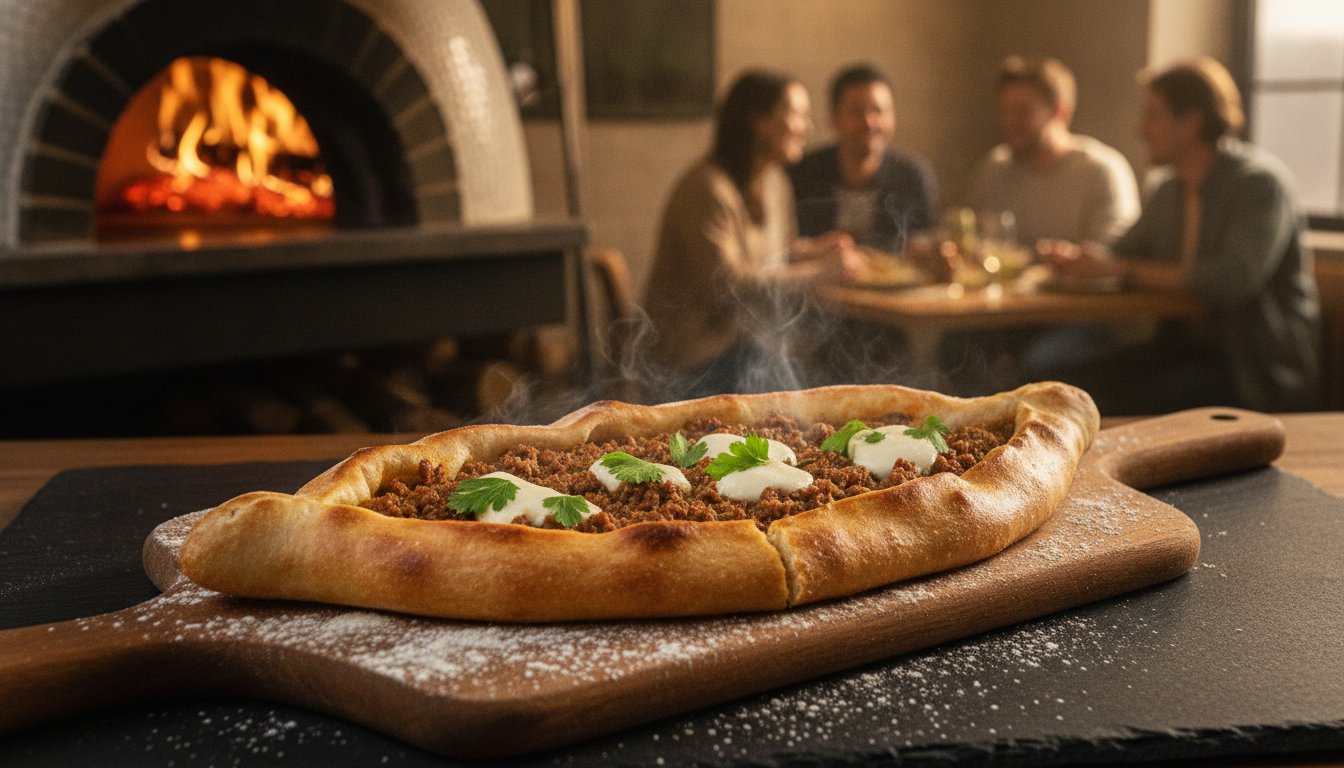
Have you ever wondered if that boat-shaped bread you’re eating is actually the real deal, or just a greasy takeaway pizza in disguise? It’s a common frustration for food lovers across Sydney who crave an authentic Pide experience but often end up with something heavy and uninspired. You likely agree that there’s nothing quite like the smell of fresh dough hitting a hot brick floor, yet finding a restaurant that still honours these ancient wood-fired traditions can feel like a challenge.
We’re here to change that by helping you discover the rich history and vibrant smoky flavour of the true Anatolian craft. You’ll learn exactly which toppings are traditional, why the wood-fired oven is non-negotiable, and where to find the best handcrafted bakes in the city. We’ll also share tips on how to order a communal feast for a large group, focusing on a trusted Sydney institution that’s been welcoming guests with open arms since 1985. Prepare to move beyond the generic takeaway box and embrace a sensory journey that celebrates heritage, craftsmanship, and the joy of a shared meal.
Key Takeaways
- Discover the cultural significance of the Anatolian bakery and the secrets behind achieving a perfectly pillowy yet crisp crust.
- Identify authentic Pide fillings, from savoury spiced lamb to traditional Turkish sausage, to ensure a truly traditional experience.
- Learn the structural and dough differences that set these boat-shaped specialities apart from standard pizza or paper-thin lahmacun.
- Use our diner’s checklist to verify wood-fired ovens and fresh, made-to-order preparation at any local restaurant.
- Connect with a landmark Surry Hills institution that has been sharing family heritage and handcrafted flavours for over 40 years.
What is Turkish Pide? More Than Just Turkish Pizza
When you step into a traditional Turkish kitchen, the first thing that greets you isn’t just the heat. It’s the intoxicating aroma of charred flour, bubbling cheese, and golden, melting butter. What is Turkish Pide? At its most fundamental level, it’s an oval-shaped, boat-like flatbread that carries the soul of Anatolian flavours. While many locals use the term “Turkish pizza” as a helpful shorthand, the comparison is actually quite limited. Unlike its Italian cousin, this dish is defined by a thicker, fluffier dough that acts as a soft vessel for its toppings, rather than just a flat base.
The cultural significance of this bread is rooted in the “firin,” the local bakery that served as the beating heart of Turkish village life. For generations, these bakeries were communal hubs. Neighbours would gather to swap stories while the baker slid long wooden paddles into the roaring flames. It wasn’t just about sustenance; it was about the ritual of the fire and the shared anticipation of a hot, handcrafted meal. That same spirit of hospitality is what we strive to recreate in Sydney every single day.
The Origins of the Boat-Shaped Bread
Pide traces its history back to ancient Anatolian flatbreads, where the distinctive boat shape served a clever, practical purpose. By folding the edges of the dough inward, bakers created a sturdy rim that could hold generous heaps of spiced meat, vegetables, and rich oils. This design ensured that every drop of flavour remained trapped within the crust. As people moved from rural villages to bustling cities, the dish evolved from a rustic staple into a sophisticated street food favourite. It remains one of the most versatile elements of Turkish cuisine, easily adapted for a quick lunch or a grand family feast.
Regional Styles Across Turkey
Every corner of Turkey offers a unique twist on the classic recipe. In the Black Sea region, or Karadeniz, the bread is often served long and open, frequently finished with a cracked egg that poaches gently in the residual heat of the toppings. Central Anatolian versions might focus on specific cheese types or different grinds of lamb. These regional secrets eventually made their way to the Sydney food scene, where they’ve been embraced by locals looking for something more substantial than a standard slice. Since 1985, our family has maintained these traditional methods in Surry Hills, ensuring that the Pide you enjoy today carries the same weight of history as those baked centuries ago in the village firin.
The Anatomy of an Authentic Pide: Dough, Fillings, and Fire
Creating a culinary masterpiece requires more than just a recipe; it demands a deep respect for the elements of heat, time, and tradition. Every Pide we serve is a testament to this delicate balance. While the toppings often get the glory, the true soul of the dish lies in the structural harmony between the base, the filling, and the intense heat of the oven. It’s a sensory experience that begins the moment you see the steam rising from the wooden serving board.
Hand-Stretched Perfection: The Dough
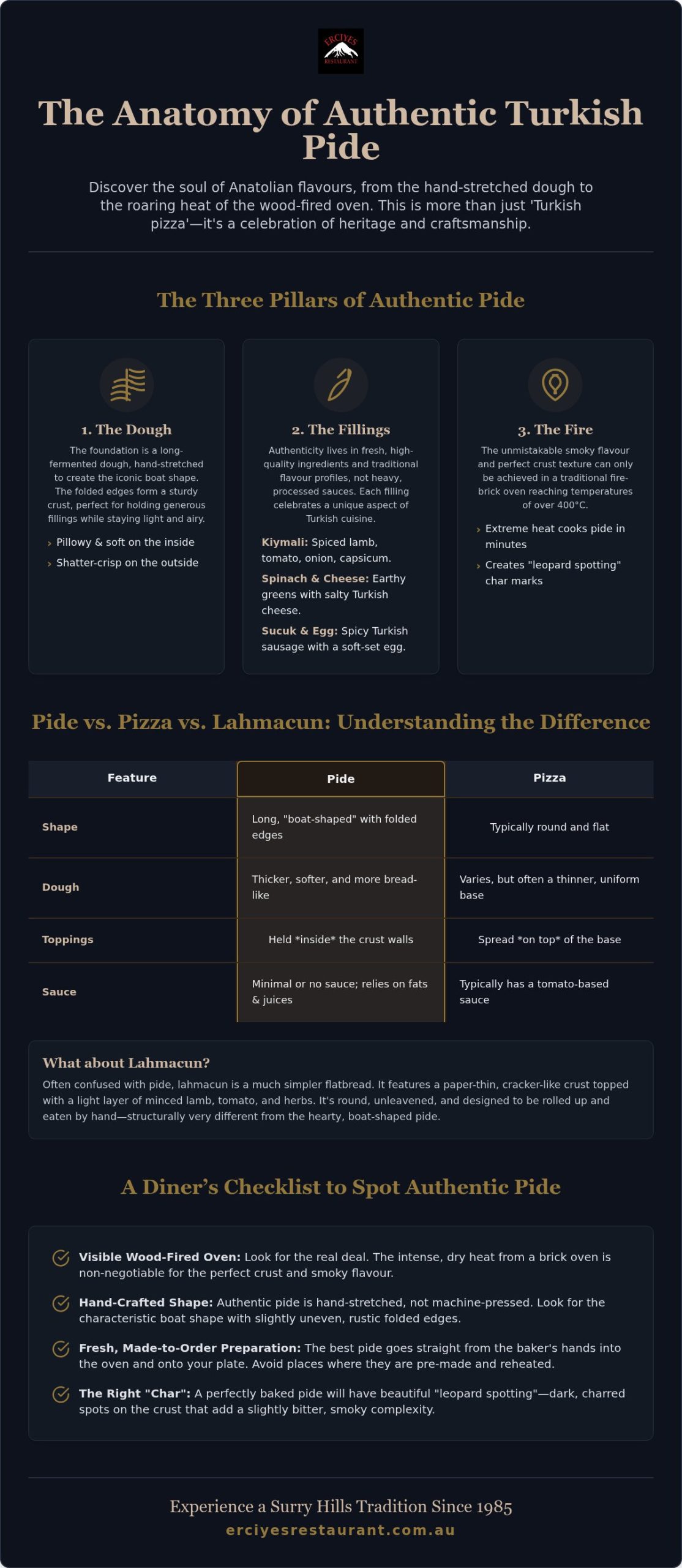
Everything starts with the dough. We use a long fermentation process, which allows the yeast to develop a complex, slightly tangy flavour and a superior, airy structure. When the dough is ready, our bakers hand-stretch each piece with practiced precision. They carefully fold the edges to create that iconic boat shape, ensuring the crust is thick enough to hold the juices but light enough to eat. The ideal pide crust texture is shatter-crisp on the outside, cloud-soft within.
Traditional Toppings and Flavour Profiles
Authenticity lives in the quality of the ingredients. We don’t rely on heavy, processed sauces; instead, we let the natural fats and fresh spices do the heavy lifting.
- Kiymali: This is the classic choice, featuring a blend of finely ground lamb, tomatoes, onions, and capsicum. It’s seasoned with a specific spice mix that creates a rich, savoury profile.
- Cheese and Spinach: A vegetarian staple that uses fresh spinach and salty Turkish cheese. It offers a beautiful contrast between the earthy greens and the creamy, melted centre.
- Sucuk and Egg: For many, this is the ultimate comfort food. The spicy, garlic-heavy Turkish sausage pairs perfectly with a softly set egg that cooks right in the oven.
The Magic of the Wood-Fired Oven
You can’t fake the flavour of a traditional fire-brick oven. While modern electric deck ovens are convenient, they lack the soul of a real fire. Our oven reaches temperatures of 400 degrees, which transforms raw dough into a golden delight in mere minutes. This extreme heat creates “leopard spotting”, those beautiful charred bubbles on the crust that signify a perfect bake. This process infuses the bread with a subtle, smoky aroma that defines an authentic Sydney experience. If you’re eager to taste this craftsmanship for yourself, come and explore our traditional menu in Surry Hills.
To finish, we never skip the final, hospitable details. A quick brush of melted butter over the hot crust adds a luxurious sheen and softens the edges just enough to melt in your mouth. A final sprinkle of fresh parsley provides a bright, herbal lift that cuts through the richness. It’s these small, thoughtful touches that turn a simple flatbread into a celebratory feast of abundance.
Pide vs. Pizza vs. Lahmacun: Understanding the Differences
Walking into a Turkish restaurant for the first time can be a sensory whirlwind. You see golden bread, smell spiced meats, and hear the crackle of the wood-fire. While many people describe Pide as “Turkish pizza” to simplify things, this label doesn’t quite do justice to the unique craft involved. Pizza is typically a round disc with a focused ratio of sauce to cheese. In contrast, our traditional boat-shaped bread is designed to be a substantial meal in its own right, with a focus on high-quality dough and generous, un-sauced toppings.
The real secret lies in the dough composition. Unlike the leaner, often crisper dough used for pizza, our dough has a higher hydration level. This creates a crumb that is distinctly soft and pillowy, more akin to a freshly baked artisan loaf than a thin cracker. It’s a bread-lover’s dream. While pizza relies on a thin base to carry its flavours, the bread here is an equal partner to the toppings, absorbing the juices of the spiced lamb or the richness of the melted cheese.
Why Pide is the Ultimate Sharing Food
One of the most hospitable aspects of this dish is how it’s served. Instead of being cut into triangular wedges, it’s traditionally sliced into long, even strips. This makes it incredibly easy to pass around a large table, allowing everyone to grab a piece without the mess. It’s the perfect centrepiece for a communal feast. We find it pairs beautifully with authentic Turkish mezze in Sydney. Imagine a table laden with smoky baba ghanoush, tangy hummus, and warm strips of bread; it’s an invitation to linger and enjoy the company of friends. In our 120-seat dining room, we see these shared moments every night, honouring a tradition of generosity that has been part of our family since 1985.
Lahmacun: The Thinner, Spicier Cousin
If you’re looking for something lighter, you might encounter lahmacun. Often called the “Turkish taco,” this is a paper-thin flatbread topped with a finely minced mixture of meat, vegetables, and herbs. Unlike its boat-shaped relative, lahmacun contains no cheese. It’s designed to be spicy, vibrant, and incredibly fresh. The traditional way to eat it is to top the hot bread with a handful of fresh parsley, a few slices of red onion, and a generous squeeze of lemon, then roll it up tightly. While Pide provides a rich, comforting experience, lahmacun offers a zesty, punchy alternative. We often suggest ordering both for the table. It ensures a complete balance of textures and flavours that will satisfy any appetite.
How to Spot the Best Pide in Sydney: A Diner’s Checklist
Finding a truly exceptional meal in a city as vast as Sydney often feels like a quest for a hidden gem. While many shops claim authenticity, few actually deliver the heart and soul of Anatolian baking. Your first clue should always be the oven. A genuine establishment will almost always have a visible wood-fired or brick oven at the centre of their operation. If you can’t see the flames or smell the faint scent of timber, you’re likely missing out on that essential smoky depth that defines a real Pide experience.
Next, perform the “Freshness Test”. Watch the counter closely. Is the baker stretching the dough right now, or is the bread sitting sadly in a glass display cabinet under a heat lamp? Authentic dough is highly hydrated and delicate; it must be shaped and topped to order to maintain its pillowy integrity. A great menu also reflects the diversity of its origins. Look for a balance that includes plenty of vegetarian pide Sydney locals can’t get enough of, featuring fresh spinach, feta, and earthy mushrooms alongside the traditional meat classics.
The Importance of a Visible Kitchen
There’s something deeply comforting about watching a master at work. In a traditional Turkish eatery, the “Pideci” (pide chef) is the star of the show. Their speed and precision are signs of years of dedication. Watch as they use a long wooden paddle to slide the bread deep into the oven’s mouth. This visible craftsmanship creates an inviting warmth that fills the entire dining room, making you feel less like a customer and more like a guest in a family home. It’s a ritual we’ve proudly maintained in our Surry Hills restaurant since 1985.
Flavour Balance and Ingredient Quality
Authenticity is found in the smallest details. A high-quality filling should never be a greasy, indistinguishable paste. You should see hand-chopped vegetables and vibrant fresh herbs. The cheese should offer a perfect, elastic “pull” without leaving a pool of excess oil on the board. Finally, check the condiments. A squeeze of fresh lemon and a side of sharp, pickled chillies are non-negotiable. These bright, acidic elements cut through the rich fats of the lamb or cheese, perfectly balancing every bite. If you’re ready to experience this level of care, join us for a meal and see the difference that 40 years of heritage makes.
Experience Authentic Pide at Erciyes: A Surry Hills Tradition Since 1985
Since we first opened our doors, Cleveland Street has been the stage for a culinary story that spans four decades. Stepping into our restaurant isn’t just about grabbing a quick bite; it’s an invitation to join a family tradition that has remained unchanged since 1985. We’ve spent forty years perfecting our signature wood-fired process, ensuring every Pide that leaves our oven carries the smoky, authentic flavour of our heritage. It’s this commitment to craftsmanship that has made us a reliable staple in the heart of Surry Hills.
Our 120-seat dining area is designed for the joy of shared experiences. It’s a vibrant, bustling space where the clatter of plates and the hum of conversation create a sense of belonging. On select nights, we elevate this sensory journey by combining our traditional flavours with a live belly dancing Sydney restaurant experience. This lively entertainment brings the spirit of Istanbul to the Sydney streets, offering an unforgettable night out that celebrates the abundance of Turkish culture.
A Family Legacy on Cleveland Street
The history of Erciyes Restaurant is deeply woven into the fabric of Sydney’s food scene. We’ve seen generations of families grow up at our tables, returning year after year for the flavours they’ve come to trust. As a proud Cultural Ambassador, we take our role seriously. We don’t just serve food; we share stories through our handcrafted recipes. Every ingredient is chosen with care, and every dish is prepared with the same personal touch that our founders brought to the kitchen in the mid-eighties.
Plan Your Pide Feast
Whether you’re organising a festive birthday celebration or an intimate gathering, we have the space to accommodate your needs. We specialise in private dining Sydney Turkish style, where large groups can feast on a steady stream of hot bread and charcoal grills. This communal approach ensures that no one leaves the table hungry. If you prefer a cosy night at home, our takeaway options ensure you don’t have to sacrifice authenticity for convenience. You can still enjoy a fresh Pide in the comfort of your own lounge room.
Don’t settle for a generic meal when you can be part of a living tradition. Join us at Erciyes to experience the warmth of a family-run business that still treats every guest like an expected friend. Your seat at the table is waiting.
Join the Family Table in Surry Hills
You’ve explored the rich heritage behind the boat-shaped bread and learned how to distinguish a truly traditional bake from a simple takeaway slice. From the pillowy texture of the hand-stretched dough to the smoky aroma that only a real wood-fired oven can provide, authentic Pide is a celebration of craftsmanship. You now know to look for those beautiful charred spots on the crust and to value the communal spirit of a shared feast. It’s about more than just food; it’s about the joy of gathering together over a handcrafted meal.
We invite you to experience this 40-year legacy for yourself at our home on Cleveland Street. As a family-owned staple since 1985, we’ve remained dedicated to the same traditional methods that have earned us over 1,000 5-star vibes from our local community. Whether you’re here for the vibrant energy of a live show or a quiet dinner with loved ones, you’re always an expected guest. Book Your Table at Erciyes and Taste Sydney’s Best Pide to begin your own sensory journey today. We can’t wait to welcome you to the family.
Frequently Asked Questions
What is the difference between pide and pizza?
Pide is distinguished by its higher-hydration dough and iconic boat-like shape, which creates a fluffier, more bread-like texture compared to the leaner, often crisper base of a pizza. While pizza usually relies on a tomato sauce foundation, these Turkish specialities focus on the harmony between the handcrafted dough and generous toppings like spiced lamb or Turkish cheese. It’s a more substantial, artisanal experience that honours centuries of Anatolian baking tradition.
Is Turkish pide healthy?
Traditional recipes can certainly be a healthy part of your diet when they’re prepared with fresh, high-quality ingredients. We use lean meats, hand-chopped vegetables, and fresh herbs rather than heavily processed sauces or artificial additives. Many of our options are naturally balanced with protein and greens. It’s about enjoying wholesome, real food that’s been prepared with care. Choosing vegetable-heavy varieties or sharing a feast with friends helps maintain a balanced dining experience.
What are the most traditional pide toppings?
The most authentic varieties include Kiymali, which features finely ground lamb with onions and peppers, and Sucuklu, topped with spicy Turkish garlic sausage and often an egg. Another classic is Kusbasili, using tender diced lamb pieces. These recipes have been passed down through generations. They rely on the natural fats of the meat and aromatic spices like cumin and paprika to provide deep, satisfying flavours without the need for heavy, greasy oils.
Is pide suitable for vegetarians?
Absolutely, our menu features a wide range of vibrant vegetarian options that are just as satisfying as the meat classics. Popular choices include the traditional spinach and cheese variety or the earthy mushroom and parsley combination. We also offer eggplant and mixed vegetable bakes that celebrate the abundance of fresh Australian produce. These meat-free specialities are handcrafted with the same wood-fired care, ensuring every guest enjoys a rich and authentic culinary journey.
Can I order pide for a large group or event in Sydney?
Yes, we specialise in hosting large groups and providing corporate catering packages for events across the city. Our 120-seat restaurant in Surry Hills is the perfect venue for communal dining where long strips of hot Pide can be easily shared among friends or colleagues. For off-site events, our catering ensures your guests enjoy the same wood-fired quality and hospitality. It’s a fantastic way to bring people together over a unique feast.
What is the best way to eat pide?
The best way to enjoy this dish is straight from the oven while the crust is still shatter-crisp and the centre is steaming. It’s traditionally served sliced into strips, making it ideal for picking up with your hands. We always recommend a generous squeeze of fresh lemon and a side of pickled chillies to brighten the flavours. Pair it with some of our handcrafted mezzes for a complete experience that encourages conversation.
Does Erciyes Restaurant offer takeaway pide?
We certainly do. While we love welcoming guests into our lively dining room, we understand that sometimes you want to enjoy these authentic flavours at home. You can order our entire range for takeaway, ensuring you get that signature wood-fired taste even on a cosy night in. Every order is prepared with the same meticulous care as our dine-in meals. It’s a convenient way to bring a piece of our family heritage to your table.
Why is it called “boat-shaped” bread?
The distinctive boat shape is a practical design choice that dates back to ancient Anatolian bakeries. By hand-stretching the dough into an oval and folding the edges inward, the baker creates a sturdy rim. This “hull” acts as a vessel, perfectly containing the juices from the meat and the melting cheese so nothing escapes during the high-heat bake. It ensures that every single bite is packed with the rich, concentrated flavours of the fillings.